



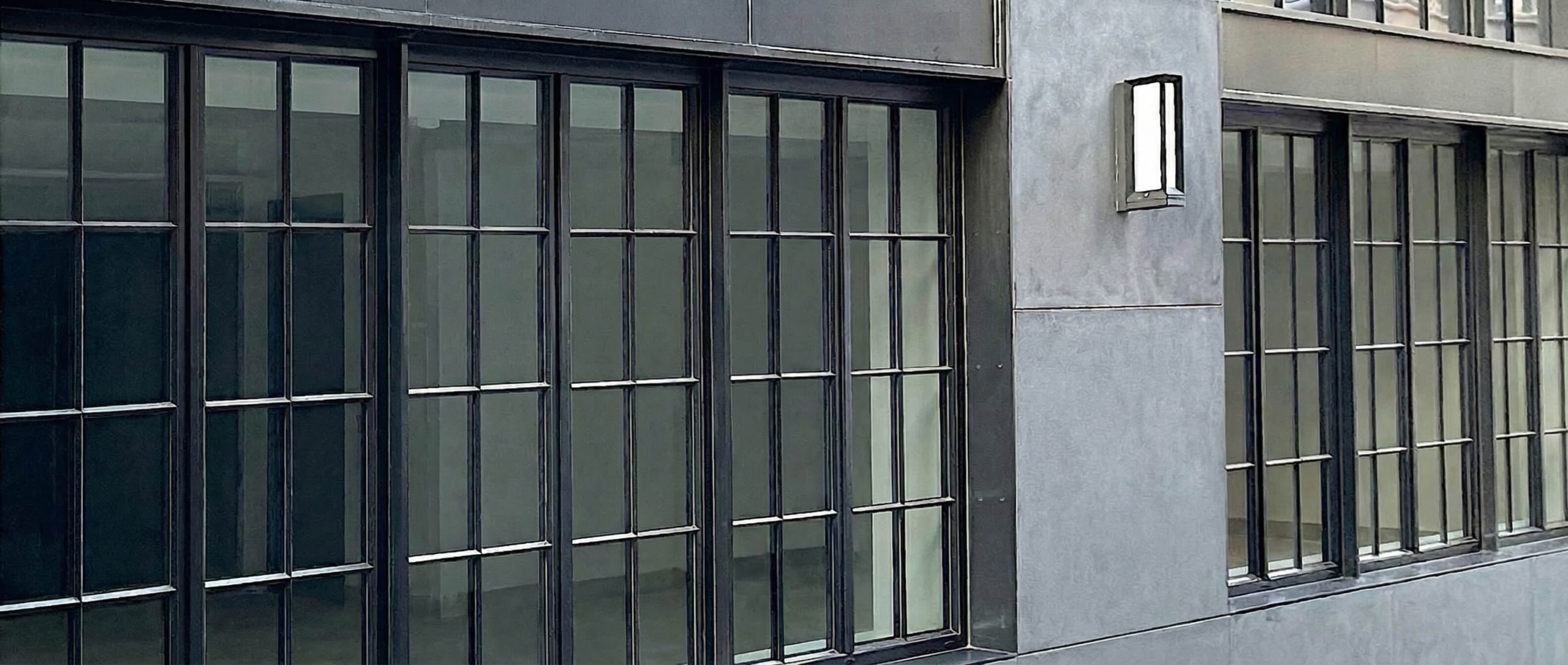
How to Protect Coastal Custom Metal Windows From Severe Rust and Pit Corrosion
Ocean views are one of the biggest advantages of coastal living but they also bring a challenge many property owners underestimate: constant exposure to salt-laden air. Unlike inland environments, coastal conditions accelerate corrosion and can significantly shorten the lifespan of custom metal windows if proper precautions are not taken.
Rust, pitting, surface deterioration and hardware failure often begin long before visible damage appears. The good news is that corrosion is manageable with the right materials, maintenance practices, and protective finishes. Understanding how coastal environments affect window systems can help you preserve appearance, improve durability and avoid costly replacements.
Why Coastal Environments Are So Aggressive on Metal Windows
Salt Air Is More Damaging Than Most Homeowners Realize
Many homeowners assume corrosion only occurs when window frames come into direct contact with seawater. In reality, airborne salt particles travel significant distances inland and settle on exterior surfaces.
Once salt accumulates on window frames, it attracts moisture and creates conditions that accelerate corrosion. Even high-quality metal windows can deteriorate faster if salt deposits are allowed to build up over time.
The Difference Between Surface Rust and Pit Corrosion
Surface rust typically affects the outer layer of a frame and is often visible as discoloration or staining. While it should not be ignored, it is usually easier to address when caught early.
Pit corrosion is more serious because it penetrates beneath the surface and gradually weakens the metal itself. Small pits can expand over time, creating structural vulnerabilities that are far more difficult and expensive to repair.
Know Which Window Materials Hold Up Best Near the Coast
Not All Metals Perform the Same
Different frame materials respond differently to coastal conditions. Aluminum offers excellent corrosion resistance and remains a popular choice for waterfront properties. Stainless steel provides exceptional durability when marine-grade options are selected.
Standard steel can perform well but typically requires additional protective treatments to resist corrosion. Many bespoke steel windows installed in coastal areas rely on advanced coatings and maintenance programs to achieve long-term performance.
Protective Finishes Matter as Much as the Base Material
The quality of the finish often determines how well a window system withstands coastal exposure.
Powder-coated finishes create a durable protective barrier that shields metal from moisture and salt. Anodized finishes provide additional protection for aluminum frames. Marine-grade coatings are specifically designed to handle harsh coastal environments and often offer the best long-term defense against corrosion.
Choosing a premium finish can significantly reduce maintenance requirements while extending the life of the window system.
Maintenance Habits That Prevent Rust Before It Starts
Rinse Salt Deposits Away on a Schedule
One of the simplest ways to protect custom metal windows is regular cleaning. Freshwater rinsing removes accumulated salt before it can begin attacking protective coatings.
Properties located directly on the shoreline may benefit from monthly cleaning, while homes further inland can often follow a less frequent schedule. Consistency matters more than intensive cleaning sessions performed only once or twice per year.
Inspect Small Damage Immediately
Minor scratches, chips and coating failures may seem harmless at first. However, these imperfections expose the underlying material and create entry points for moisture and corrosion. Addressing small issues quickly helps preserve the protective barrier and prevents larger repairs later.
Pay Attention to Hidden Trouble Areas
Corrosion frequently develops in areas that homeowners rarely inspect. These locations include:
- Window tracks
- Corners and joints
- Drainage channels
- Hinges and hardware
- Fasteners and connection points
Regular inspections of these vulnerable areas can reveal problems before they become serious.
Warning Signs That Your Custom Metal Windows Need Attention
Early detection often makes the difference between a simple repair and a complete replacement.
Warning signs include white oxidation on aluminum surfaces, rust stains near joints, bubbling paint, damaged coatings, and rough textured areas that indicate pitting. Water intrusion around frames may also signal corrosion-related deterioration.
Many homeowners overlook these symptoms because the windows continue functioning normally. Unfortunately, corrosion rarely stops on its own. Acting early can reduce repair costs and prevent structural damage to the frame.
Even fixed steel windows should be inspected regularly, as their stationary design does not eliminate exposure to coastal conditions.
Features to Look for When Buying Coastal-Grade Custom Metal Windows
Ask About Marine-Rated Protection
Not all window systems are designed for coastal use. Before purchasing, ask suppliers about corrosion-resistance specifications, testing standards, and protective coatings. Understanding how products perform in marine environments provides valuable insight into long-term durability.
Hardware Is Often the Weak Link
Frames often receive most of the attention but hardware can fail much sooner if inferior materials are used.
Hinges, screws, locks, fasteners and support components should all be corrosion resistant. High-quality hardware helps maintain smooth operation and prevents premature failures.
Custom Design Should Support Drainage
Effective drainage is essential for coastal installations. Window frames should be designed to prevent standing water and encourage moisture to drain away efficiently. Proper ventilation and moisture management reduce the likelihood of corrosion developing in concealed areas.
Investing in professionally manufactured custom metal windows designed specifically for coastal environments can significantly reduce maintenance costs and extend service life. Before making a purchase, request detailed product specifications and confirm the system is suitable for marine exposure.
Is Repair or Replacement the Better Investment?
Localized corrosion affecting a small area can often be repaired through cleaning, treatment, refinishing, or component replacement. However, structural pitting that compromises frame integrity may justify full replacement.
When evaluating costs, consider long-term performance rather than focusing solely on immediate repair expenses. Repeated repairs can quickly exceed the value of installing a more durable system. A professional assessment provides the clearest picture of whether repair or replacement offers the better return on investment.
Conclusion
Salt exposure is a constant reality in coastal environments, but corrosion does not have to be inevitable. Choosing the right materials, maintaining protective finishes, and conducting routine inspections are the most effective ways to protect window systems from severe rust and pit corrosion. High-quality custom metal windows engineered for marine conditions provide stronger long-term performance than standard alternatives.
For expert guidance and coastal-ready solutions, contact Custom Metal Windows & Doors and explore window systems designed to withstand demanding waterfront environments. Reach out today.
FAQs
How often should coastal metal windows be cleaned?
Most coastal properties benefit from freshwater rinsing every one to three months, depending on proximity to the ocean and exposure levels.
Can rusted metal window frames be restored?
Minor surface rust can often be repaired but severe pitting or structural corrosion may require partial or complete replacement.
Do powder-coated windows prevent corrosion completely?
Not by itself. Powder coating provides excellent protection but regular cleaning and maintenance are still necessary to prevent corrosion over time.