



Direct Glazing vs. In-Sash Fixed Windows: Structural & Aesthetic Differences
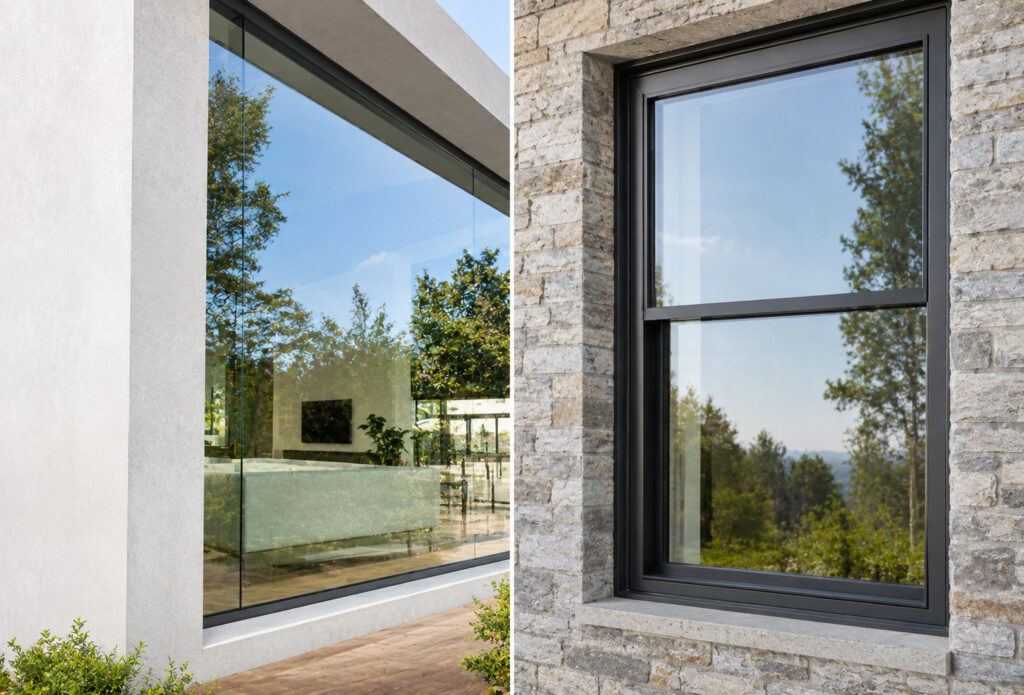
Fixed windows look simple until you’re the one specifying how the glass gets held in place. Two methods that dominate are direct glazing and in-sash fixed windows. Direct glazing sets glass straight into the structural opening using sealants. On the other hand, in-sash construction relies on a frame to hold the glass.
Direct glazing puts the load-bearing job on sealants and the opening itself, with no sash to catch a failure point. That’s why it shows up on commercial curtain walls and modern builds chasing a frameless look. In-sash windows handle load differently. The sash absorbs thermal movement, buffers water intrusion, and gives installers a mechanical fastening point instead of relying only on adhesive strength.
Aesthetically, direct glazing reads as glass-forward with minimal sightlines and framing that nearly disappears. Sash-based windows carry more visual weight, which often looks intentional in traditional architecture where a bare glazing edge would look unfinished.
This blog breaks down where each method holds up structurally, where it falls short, and which conditions call for one over the other. Curious enough? Read ahead.
Table of Contents
|
What is the Difference Between Direct Glazing and In-Sash Fixed Windows?
Direct Glazing: Glass Installed Directly Into the Frame
With direct glazing, the glass is installed directly within the main frame rather than inside a separate sash.
That removes an extra framing layer around the glass. The result is usually a cleaner sightline, which is why direct-glazed fixed windows work well in modern architecture and large picture openings.
The important detail is the glazing system itself. Glass still needs proper support, sealing, drainage, and allowance for movement.
In-Sash Fixed Windows: Glass Held Within a Sash
An in-sash fixed window uses a sash to hold the glass, even though the unit remains permanently closed.
That extra frame creates a stronger visual border. It can also make fixed windows easier to coordinate with nearby operable sash units. The distinction is straightforward: fixed describes operation; sash describes construction. A window can be fixed and still use a sash.
Structural Differences That Are Important When You Buy
The structural question isn’t simply whether direct glazing or an in-sash design is stronger. The entire window assembly carries the load.
Glass thickness, pane dimensions, frame material, frame depth, connections, wind pressure, and installation are all important. A large direct-glazed picture window still requires an engineered frame and glazing system suited to the opening.
The same applies to an in-sash unit. Under heavy wind loads, the frame and sash must stay within acceptable deflection limits. Excessive movement can affect seals, glass, hardware, and long-term performance.
For large openings, you should ask for the maximum supported pane dimensions. Don’t assume direct glazing automatically means larger glass. Structural glass limits and manufacturer specifications decide what the system can actually handle.
Installation creates another dividing line. Direct glazing may look simple, but frame preparation and glazing tolerances need to be right. Depending on the system, glass may be secured using structural silicone glazing or mechanical methods such as stops and beads.
Flashing, drainage, sealants, and movement accommodation still matter either way. A slim frame doesn’t rescue a poorly installed window.
Glass replacement deserves attention before ordering, too. If you’re asking how to replace glass in a direct glazed steel window frame, there isn’t a universal procedure. Some systems have removable glazing components, while others require specialist glazing work. Get that answer from the manufacturer before the window is installed.
How Each Option Changes the Look of Your Home or Building
Direct glazing puts more visual emphasis on the glass. With less framing around the pane, the opening can feel wider and the view becomes more dominant. That suits contemporary homes, commercial buildings, and steel window systems where minimal sightlines are part of the design.
The frame-to-glass relationship is just as important. When comparing flush glass vs. recessed frame direct set steel windows, look beyond product photos. The actual frame profile, stops, seals, and reveal determine how that junction looks once installed.
In-sash windows create a more defined perimeter around the glass. That can be exactly what a project needs when fixed windows sit beside operable sash units.
This is where proportion becomes practical rather than decorative. If you’re trying to match operable window glass lines with fixed picture windows, check the actual glass height, sash profile, frame depth, and sightlines. Matching the glass alone won’t necessarily produce a continuous line.
Existing window layout is also important. A beautifully slim fixed panel can look out of place beside deeper traditional sash units.
Direct Glazing vs. In-Sash Fixed Windows: Which Should You Choose?
| Consideration | Direct Glazing | In-Sash Fixed |
| Visual style | Minimal and modern | Defined and traditional |
| Sightlines | Generally slimmer | More visible framing |
| Large fixed openings | Often well suited | Depends on system design |
| Matching operable windows | Less sash-like | Usually easier |
| Maintenance | Depends on glazing system | Depends on sash design |
| Best fit | Modern architecture | Traditional or mixed systems |
For the direct glazed vs. fixed sash window sightline profile difference, direct glazing will generally show less visible framing. But actual dimensions vary by manufacturer. That is why technical drawings are more useful than catalogue photography. Compare the complete tested system, not an isolated frame section.
What to Ask Before Ordering Fixed Windows
Before placing an order, get clear answers to a few practical questions:
- What glass size and thicknesses does the system support?
- What are its tested air, water, and structural ratings?
- How is the glass secured and sealed?
- What are the actual frame and sightline dimensions?
- How is damaged glass removed and replaced?
- Can the fixed unit align with nearby operable windows?
- What thermal and air-infiltration ratings apply?
- Are specific flashing, sealant, or installation details required?
These questions are important when you’re comparing direct set vs. fixed sash thermal performance and air infiltration. Neither construction automatically wins on efficiency. The frame, seals, glazing type, spacers, and installation determine how well the finished window performs.
Concluding Words
Direct glazing gives you clearer sightlines and puts more glass into the visual field. In-sash fixed windows provide a defined profile and can create better continuity with operable sash systems.
Neither is automatically the better product.
The decision should come down to the opening, glass size, structural requirements, desired sightline, thermal targets, maintenance access, and surrounding windows. Compare these details before you compare finishes.
Custom Metal Windows & Doors can help you evaluate the glazing method, frame profile, glass specifications, and installation requirements before you commit to a system. Reach out today.
FAQs
Is direct glazing better than in-sash fixed windows?
Neither is universally better. The right option depends on the opening, glass size, structural requirements, performance targets, and architectural style.
Are direct-glazed windows more modern-looking?
Generally, yes. Direct glazing usually creates slimmer, cleaner sightlines with less visible framing around the glass.
Can in-sash fixed windows match operable windows?
Yes. Because the fixed unit uses a sash, matching its profile and proportions with operable sash windows is usually more straightforward.
Which type is better for large fixed windows?
Neither automatically becomes the better option. Glass dimensions, wind loads, frame design, glazing method, and the engineered limits of the complete window system determine suitability.