



Comparing Different Metals to Select the Right Architectural Metal for Custom Windows
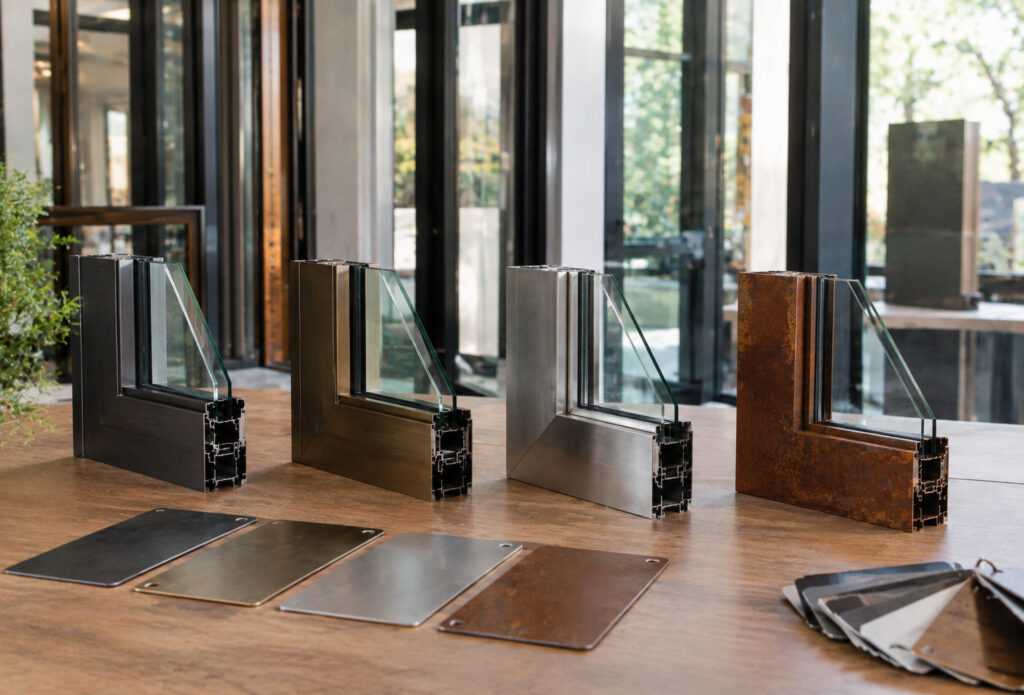
Choosing the right metal for custom windows affects appearance, durability, maintenance, and performance. Steel, Corten, stainless steel, and bronze each behave differently once installed.
Climate and exposure are also just as important as the design. A coastal home has different requirements from a historic restoration, while a minimalist project may prioritize narrow sightlines.
This guide compares the four materials so you can choose the architectural metal for custom windows that fits your building, climate, and long-term requirements.
Start With These 5 Factors Before Choosing a Metal
Consider these factors before selecting a material:
- Appearance: Finish, color, texture, and patina.
- Environment: Moisture, salt air, pollution, and temperature changes.
- Structure: Opening size, frame profile, and required strength.
- Maintenance: Cleaning, coating, sealing, and finish care.
- Total cost: Fabrication, installation, protection, and long-term maintenance.
Don’t choose from a finish sample alone. Consider how the metal will perform on the actual building.
Steel: Strong, Slim, and Built for Structural Performance
Steel remains popular for custom windows because it offers high strength with relatively slim profiles. It suits large openings, contemporary architecture, industrial designs, and many restoration projects.
The structural strength difference between cold rolled steel, bronze and stainless window frames depends on alloy, thickness, profile, fabrication, and engineering. Material name alone doesn’t determine performance.
So, you should ask about steel grade, coatings, weld quality, exposed joints, and corrosion protection before ordering.
Corten Steel: Choose the Patina, Not Just the Metal
Corten develops a weathered, rust-colored surface through oxidation. That changing appearance makes it popular for contemporary and industrial architecture.
What to Check Before Ordering
Corten requires careful water management. Weathering can produce iron-rich runoff that stains nearby concrete, stucco, stone, or other porous surfaces. If you’re considering a Corten steel window frame and runoff staining concrete masonry detail, ask the manufacturer how drainage will be handled.
Local climate and exposure also affect how the patina develops. Corten isn’t automatically suitable for every exterior application.
Stainless Steel: The Low-Maintenance Choice for Demanding Exteriors
Stainless steel provides strong corrosion resistance and a clean appearance. It can suit humid, polluted, and demanding exterior environments.
Brushed and polished finishes offer different visual effects. The stainless-steel grade is also important, especially near the coast where chloride exposure can be significant.
For buyers comparing 316 marine grade stainless steel vs. architectural bronze coastal window corrosion, look at the alloy, finish fabrication, exposure, and maintenance requirements rather than appearance alone.
Bronze: A Premium Material That Gets Better With Age
Bronze brings warmth that cooler metals cannot easily replicate. It works well in luxury residential, hospitality, historic, and high-end commercial projects.
Patina is part of its appeal. Buyers should decide whether they want a naturally changing finish or a more controlled appearance.
Architectural Bronze Patina: Living Finish vs. Factory Sealed
A living finish changes naturally as bronze reacts with its surroundings. A factory-sealed finish provides greater control over the original appearance and slows patina development. Ask how the chosen finish will age and what maintenance it requires before ordering.
Steel vs. Corten vs. Stainless Steel vs. Bronze: Which One Fits Your Project?
| Material | Main Advantage | Appearance | Key Consideration |
| Steel | Strength and slim profiles | Coated or painted | Requires corrosion protection |
| Corten | Weathered character | Rust-colored patina | Runoff can stain surfaces |
| Stainless Steel | Corrosion resistance | Clean and refined | Grade is important in coastal areas |
| Bronze | Warmth and patina | Rich, evolving finish | Finish affects maintenance |
- Steel is a strong choice when structural efficiency and slim profiles are important.
- Corten suits projects where natural weathering is part of the design.
- Stainless steel is well suited to buyers prioritizing corrosion resistance and predictable maintenance.
- Bronze works when warmth, premium appearance, and evolving character are important.
For a minimalist sightline width comparison of hot-rolled steel vs. extruded bronze, don’t compare the materials alone. Frame geometry, profile depth, glass size, reinforcement, and manufacturing method affect the final sightline.
No material is universally better. The building and environment should determine the choice.
How to Choose the Right Architectural Metal for Custom Windows
Match the metal to the project.
- Modern minimalist: Steel or stainless steel.
- Industrial or heritage-inspired: Steel or Corten
- Luxury residential or hospitality: Bronze
- Demanding moisture exposure: Stainless steel with the appropriate grade and finish.
Historic projects need additional care. Historic landmark preservation-approved metal window materials may be subject to local preservation standards and project-specific approval.
Don’t assume a material is acceptable because it resembles the original window. Check the applicable requirements first. Also consider total cost. Fabrication, finishing, corrosion protection, maintenance, installation, and service life all affect value.
What to Ask Your Custom Window Manufacturer Before Ordering
Before placing an order, ask:
- What metal grade are you using?
- What finish or protective treatment is included?
- How are welds and joints protected?
- Is the material suitable for my climate?
- How will Corten runoff or bronze patina affect nearby surfaces?
- What maintenance will the finished windows require?
- What frame profiles and sightlines are available?
- Can you provide samples and project references?
The manufacturer should be able to explain both the material and its expected performance.
Concluding Words
Steel, Corten, stainless steel, and bronze solve different design and performance needs. Steel can provide strength and slim profiles. Corten delivers weathered character. Stainless steel offers strong corrosion resistance, while bronze adds warmth and an evolving patina.
The right choice depends on climate, architecture, maintenance, structural requirements, and long-term value.
If you’re planning custom architectural windows, Custom Metal Windows & Doors can help you compare materials, finishes, frame construction, glazing, and fabrication requirements before you finalize your specification. Reach out today.
FAQs
Which metal is best for coastal or high-humidity oceanfront windows?
Stainless steel is often considered for coastal environments when the appropriate corrosion-resistant grade is selected. Bronze can also work, depending on the project, finish, and exposure.
Will Corten steel window frames stain surrounding concrete, stucco, or light stone?
They can. Weathering Corten may produce iron-rich runoff that stains porous surfaces. Proper drainage and detailing can help manage the risk.
Can thermally broken systems be used with all four architectural metals?
It depends on the specific window system. Ask the manufacturer whether a thermally broken configuration is available for your chosen material and request whole-window performance data.
Are architectural bronze windows suitable for historic landmark restorations?
They can be, but approval depends on the project and applicable preservation requirements. Check material, profile, finish, and appearance requirements before ordering.