



Aluminum Fixed Windows: Clean Lines, Bigger Views, Better Performance
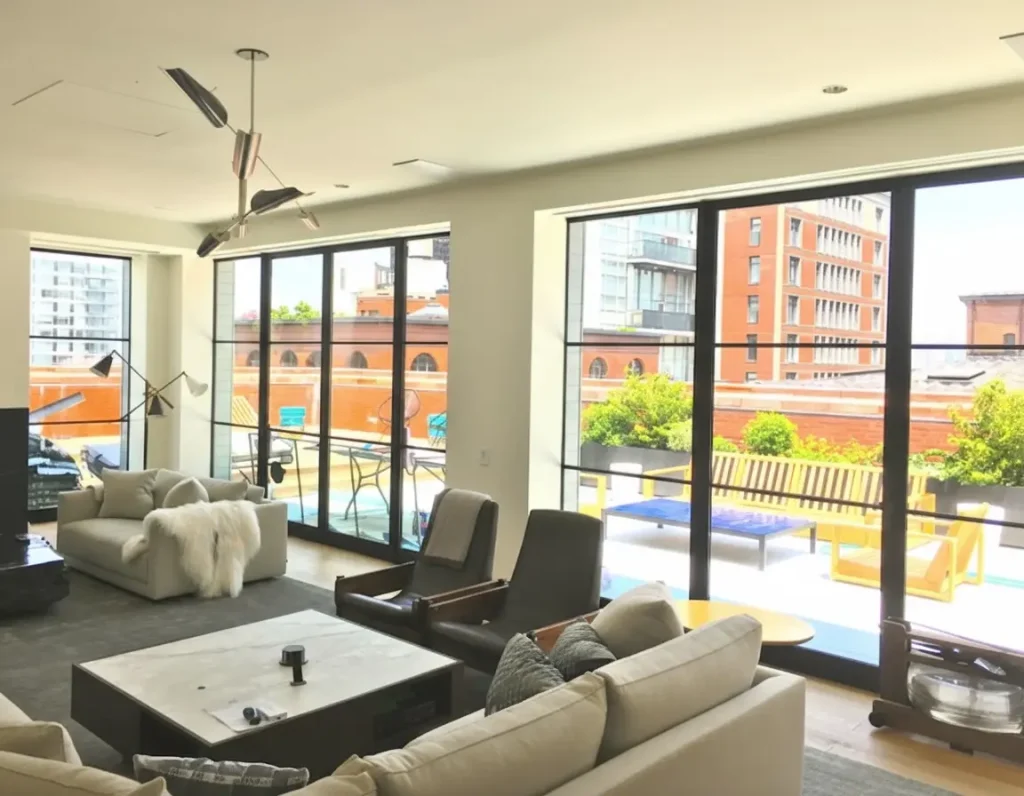
The best window walls almost disappear. That’s the paradox architects chase: glass with enough presence to shape a room, but a frame quiet enough to get out of the way.
Aluminum fixed windows do that nicely, as the frame can taper to sightlines that read as a shadow line, rather than a structural member, with no hardware or moving parts.
That’s why the product shows up constantly in modern architecture, from a picture window over a sink to a full-height glass wall behind a staircase.
What Are Aluminum Fixed Windows?
A fixed window is glazing set permanently into a frame, with no sash, crank, or operating mechanism, existing purely to bring in light and frame a view.
Because there’s no hardware to accommodate, a fixed window panel can run taller and wider than an operable unit of the same material, and the frame can be narrower.
A fixed window panel built from aluminum extrusion can achieve sightlines difficult to replicate in wood or vinyl while meeting the structural requirements of a large glazed opening.
Architects specify this glazing for a picture window, a stairwell wall of glass, or a run of structural glazing that reads as one continuous plane.
The Reasons Aluminum Is the Best Material for Fixed Windows
Aluminum extrudes into precise, slim profiles that hold tight tolerances across long spans, part of why it dominates commercial glazing and shows up in residential work too.
Strength Without Bulk
A well-engineered frame carries significant load without ballooning in width, keeping visual weight on the glass rather than the metal.
The material also resists corrosion on its own, and a powder-coated finish adds protection while giving architects a range of colors, from near-black bronze to a custom match.
What Ownership Actually Looks Like
Once installed, an aluminum frame asks very little of the owner:
- No repainting cycle to schedule
- No rot or rust to monitor over time
- Occasional glass wipe-downs
- A periodic check of the perimeter sealant
Where Aluminum Fixed Windows Work Best
The reasoning behind where these get specified matters more than the list of places. In luxury homes, a two-story window wall behind a staircase uses fixed glazing so the client gets daylight without mullions breaking up the view.
Residential Uses
- A two-story stairwell wall that reads as one uninterrupted plane of glass
- A run of picture windows in a great room, framing a landscape the way a gallery frames a painting
- Tall sidelights or transom glazing that bring daylight into an entry foyer
Commercial Uses
- Office lobbies, where fixed panels create an entry that reads as glass first and structure second
- Curtain wall systems, where fixed glazing between operable units keeps a facade coherent
- Low maintenance is ideal for high-traffic, high-visibility restaurants and retail storefronts.
Aluminum Fixed Windows vs. Fixed Steel Windows
Both materials produce excellent fixed glazing, but they solve different problems, and the best option is determined by the intended use.
| Factor | Aluminum | Fixed Steel Windows |
| Aesthetics | Contemporary, minimal, often powder-coated | Historic or industrial character |
| Frame thickness | Slim, slightly wider than steel | Extremely narrow, from steel’s tensile strength |
| Structural strength | Strong for its weight; large commercial spans | Highest strength-to-profile ratio |
| Maintenance | Low; corrosion-resistant | Periodic finish maintenance for rust |
| Weight | Lighter, easier to install | Heavier, often needs added support |
| Applications | Modern homes, offices, curtain walls | Restorations, industrial lofts, divided-lite designs |
Steel remains the choice when a project needs the narrowest profile or is matching a historic system. Aluminum wins for cost efficiency at scale and coastal corrosion resistance.
Neither material is a universal answer. An experienced fabricator asks about structural conditions before recommending one over the other.
Can Aluminum Fixed Windows Improve Energy Efficiency?
Aluminum conducts heat, so an untreated frame isn’t a strong performer alone. What makes it competitive is the complete system built around the frame.
The Role of the Thermal Break
The important point is thermally broken aluminum: a polyamide strip embedded in the extrusion breaks the conductive path between faces.
The Role of the Glass
The glazing package matters just as much. Insulated glass units, or IGUs, with a low-E coating manage solar heat gain while allowing generous natural daylight. That coating can be tuned for a cold climate, chasing passive solar gain, or a hot climate, rejecting heat.
Performance is never just about the frame; it’s the thermal break, the glass, and the installation working together.
Design Options for Fixed Window Panel
Fixed panels can be built to nearly any custom size a structural engineer approves, part of why they pair naturally with contemporary architecture. Common options include:
- Floor-to-ceiling glazing for great rooms and stairwells
- Geometric shapes, including triangular or trapezoidal configurations
- Fixed panels combined with operable windows in the same run, with the fixed units carrying the bulk of the glazing
Choosing the Right Fixed Window System
A few factors tend to drive the decision more than any others:
- Climate: Coastal environments favor aluminum’s corrosion resistance, while cold climates put more weight on thermal break performance.
- Design goals: A restoration leaning on historic steel details calls for a different system than a new build chasing minimal sightlines.
- Structural requirements: Wind load and opening size often determine whether aluminum can meet the span or steel becomes necessary.
- Building codes: Egress and safety glazing requirements add another layer to the decision.
Instead of making a generic recommendation, a qualified fabricator tailors the frame material, glazing, and finish to the building’s specific needs.
Choosing between aluminum and steel comes down to what the building needs to do, not what looks good in a rendering. Aluminum fixed windows remain among the most versatile tools for letting glass lead the design, provided the system gets the same care as the frame.
FAQ
What is an aluminum fixed window?
A non-operable window built from an aluminum frame, designed to admit light and frame a view without opening hardware.
Are fixed-panel windows energy efficient?
They can be, provided the system includes a thermal break, insulated glazing, and a Low-E coating suited to the climate. The frame alone doesn’t decide performance.
Can these windows be customized?
Yes. With no hardware constraint, fixed panels can be built in custom sizes and geometries and combined with operable windows in one opening.
What is the difference between aluminum and fixed steel windows?
Steel achieves narrower sightlines and higher strength per profile; aluminum offers lighter weight, lower cost at scale, and strong corrosion resistance.
Do they require maintenance?
Very little. Powder-coated aluminum resists corrosion on its own; upkeep means cleaning the glass and checking sealant periodically.